
If you live with IBS, you’ll know it’s much more than simply having an upset stomach.
Bloating, abdominal pain, diarrhoea, constipation, urgency and unpredictable bowel habits can affect what you eat, where you go and even how comfortable you feel leaving the house.
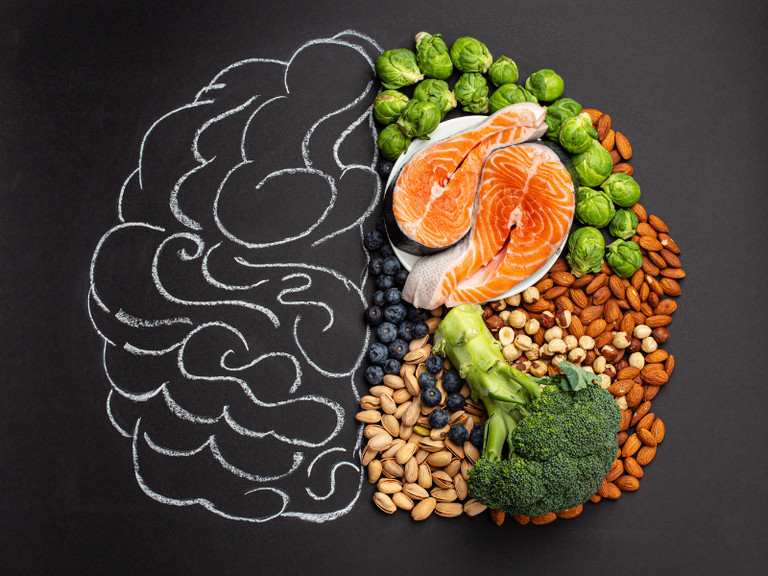
But something we’re beginning to understand much more clearly is that IBS isn’t only about the gut — it’s also about the communication between the gut and the brain.
This communication is known as the gut–brain axis.

What Is IBS?
IBS, or Irritable Bowel Syndrome, is now recognised as a disorder of gut–brain interaction.
This means the symptoms aren’t necessarily caused by physical damage to the digestive tract, but can involve changes in how the gut and nervous system communicate and process signals.
For some people with IBS, the digestive system can become particularly sensitive. Normal sensations such as food, gas or movement through the intestines may be interpreted much more strongly.
This is known as visceral hypersensitivity.
Your Gut Has Its Own Nervous System
Inside your digestive tract is an incredible network of nerves called the enteric nervous system (ENS).
Sometimes called our “second brain”, the ENS helps control many of the everyday functions of digestion, including the movement of food through the intestines.
It is also constantly communicating with the brain.
Think of the gut–brain axis as a two-way communication highway. Your brain is continually receiving messages from your gut, while your gut is receiving messages from your brain.
With IBS, this communication can become overly sensitive.
It’s almost as though the gut’s alarm system has become stuck on high alert.
Helping the Gut’s Nervous System Stand Down
This is where I love the concept of helping the enteric nervous system “stand down”.
We’re not trying to switch the nervous system off — we need it!
Instead, we’re helping an overly vigilant gut–brain system become less reactive.
Imagine your gut has a volume dial.
With IBS, that dial may have become turned up too high. Normal digestive sensations can suddenly feel uncomfortable, urgent or painful.
Our aim is to gently begin turning that volume back down.
Where Does Gut-Directed Hypnotherapy Fit In?
Gut-Directed Hypnotherapy (GDH) is a specialised form of hypnotherapy that works specifically with the gut–brain connection.
During a session, you enter a deeply relaxed but focused state while listening to carefully designed therapeutic suggestions and imagery centred around the digestive system.
These sessions may focus on calming the gut, supporting normal digestive rhythms, reducing sensitivity and changing the way the nervous system responds to sensations coming from the digestive tract.
And no — it’s not somebody swinging a watch in front of your face!
You’re simply using a deeply relaxed state to work with the communication between your brain and your gut.
Why Repetition Matters
Gut-Directed Hypnotherapy isn’t about listening to one recording and expecting your IBS to disappear.
We’re working with patterns within the nervous system.
Through regular repetition, the aim is to encourage calmer gut–brain communication and help the digestive system become less reactive over time.
Think of it as teaching your gut and brain a new way to communicate.
IBS Isn’t “All in Your Head”
This is incredibly important.
Talking about the brain and nervous system doesn’t mean IBS is imaginary or simply caused by stress.
Your symptoms are real.
The gut, brain, enteric nervous system and autonomic nervous system are biologically connected.
Food and nutrition still matter. So do sleep, movement, stress and the health of the digestive system.
But sometimes we also need to look beyond:
“What am I eating?”
and start asking:
“What is happening within my gut–brain nervous system?”
That can open up an entirely different way of approaching IBS.
Discover GutBrainA
GutBrainA is my structured 8-week Gut-Directed Hypnotherapy programme designed to help you work with your gut–brain connection from home.
Through regular guided sessions, you’ll learn to support calmer communication between your brain, nervous system and digestive tract — helping that overactive gut alarm system begin to stand down.
All you need is around 30 minutes a day.
Leave a Reply